Climate justice

Climate change is hitting those who have contributed the least the hardest. While the main perpetrators of climate change are barely changing their lifestyles, people in the Global South are already struggling with the devastating consequences. Together, we are working for climate justice.

Taking responsibility
for a fair future

Climate change has long been a reality and affects us all. Extreme weather events such as droughts, floods and hurricanes are increasing worldwide and destroying livelihoods. Countries in the Global South, which often do not have the necessary resources to adapt, are particularly affected. Millions of people lose their harvests, their homes and their prospects.

While the main perpetrators of climate change are barely changing their lifestyles, others are already struggling to survive. terre des hommes schweiz is committed to mitigating the negative consequences, promoting fair solutions and building a sustainable future .

What does climate justice mean?

Taking responsibility for the climate crisis

Climate justice means that the countries of the Global North, which have historically contributed the most to climate change, take responsibility for the consequences. This responsibility includes not only reducing their own CO 2-emissions, but also to support adaptation measures in the affected regions, such as countries in the Global South that have contributed little to the climate crisis.

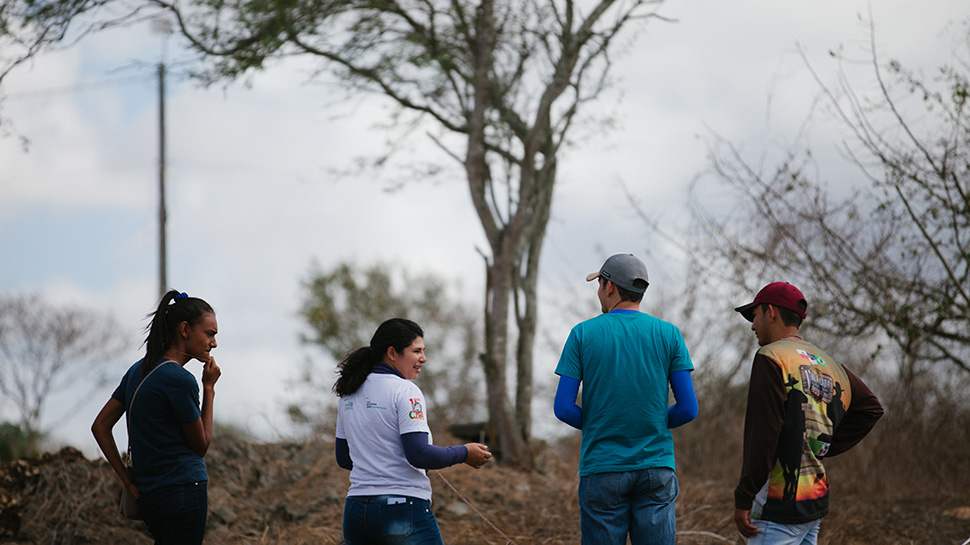
Gruppe Jugendlicher Landwirtschaft - terre des hommes schweiz
Foto: Helder Tavares

Our commitment to people and the environment

Climate change in our project countries

Climate change is threatening the livelihoods of millions of people worldwide. Our projects show how sustainable solutions can help . Our climate justice approaches focus on education and sustainability in order to create long-term prospects and protect the climate.

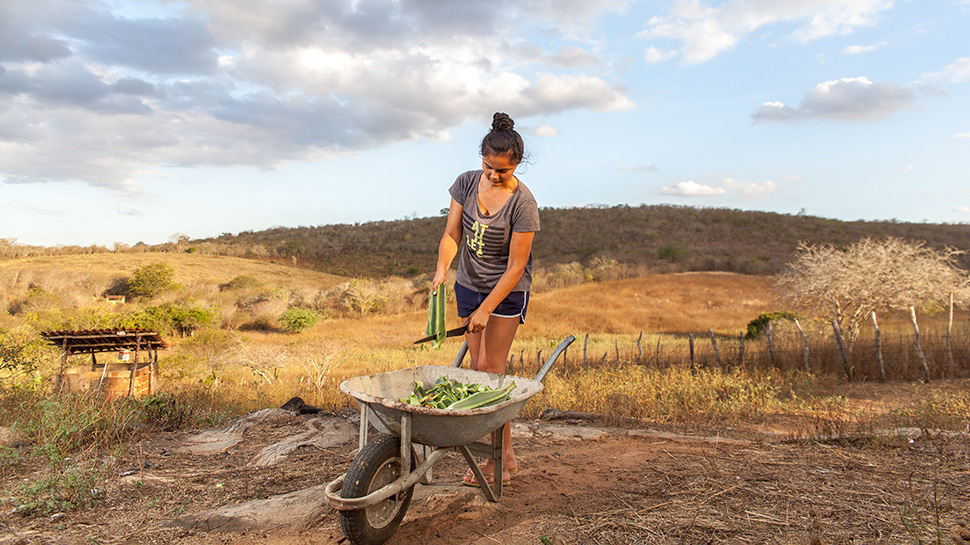
Photo: Tulio Martins

Situation in Latin America and Southern Africa

Brazil: Droughts and heavy rainfall threaten agriculture. With agroecological projects, we support young people in creating sustainable livelihoods and protecting their environment. For example, agroforestry systems regenerate soils, store CO2 and promote biodiversity – a win-win situation for people and the climate.

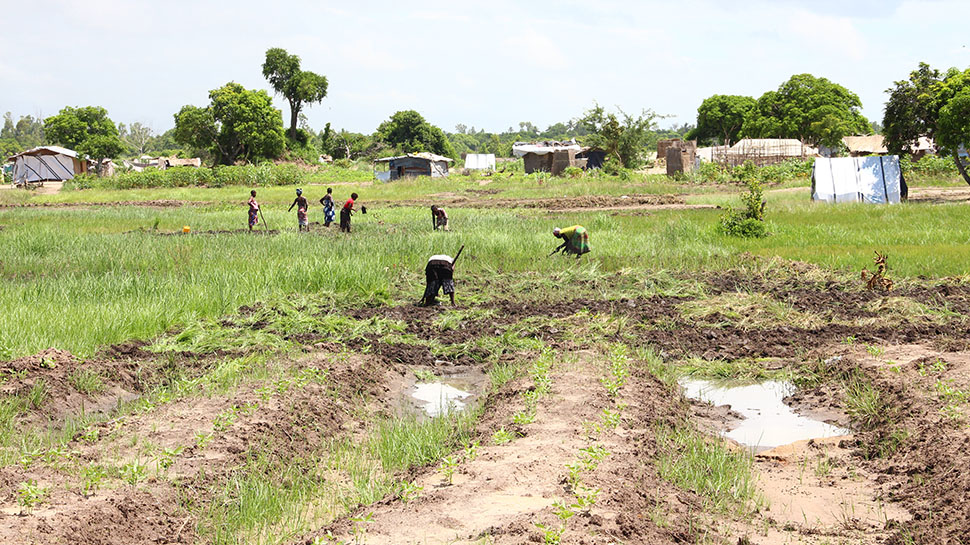
Mozambique. Increasingly violent cyclones are destroying homes, fields and livelihoods. In cooperation with partner organisations, we help the communities affected to better defend themselves against natural disasters and rebuild their livelihoods.

Zyklon Idai verwüstete im März 2019 weite Teile Mosambiks und zerstörte Lebensgrundlagen, insbesondere in der Landwirtschaft. - terre des hommes schweiz
Cyclone Idai devastated large parts of Mozambique in March 2019 and destroyed livelihoods, particularly in agriculture.

The dark side of the green turnaround

The transition to renewable energies is urgently needed, but not every measure is fair. Especially in the Global South, large infrastructure projects are often implemented without consideration for local communities. It is crucial that climate protection measures respect human rights.

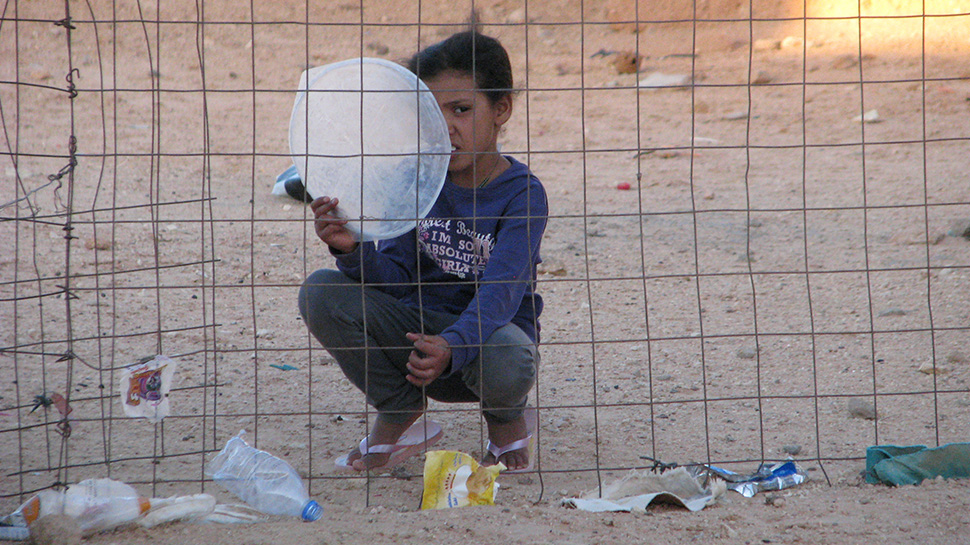
Western Sahara: Renewable energy projects are being built in the territory occupied by Morocco – without the consent of the Sahrawi population, who are suffering repression there.

Mädchen  Westsahara - terre des hommes schweiz
Photo: Jair Fernando Coll Rubiano

What we do

terre des hommes schweiz is committed to climate justice on several levels. Our goal: fair solutions for the global climate crisis.

  • Political work: We demand that Switzerland and companies take responsibility. This includes:
    • Supporting climate finance for the Global South
    • Commitment to binding Concorporate responsibility
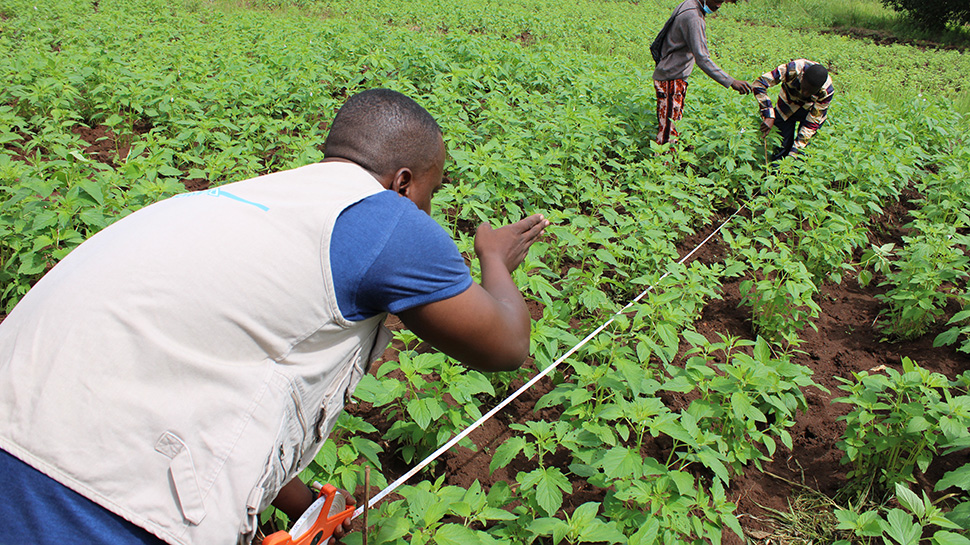
  • Sustainable projects: We promote agroecological approaches, education and self-reliance in our project countries.
  • Our own actions: With our climate and environmental roadmap, we are committed to reducing our CO2 footprint.
Schulung Landwirtschaft Mosambik - terre des hommes schweiz
Photo: Ivan de Amaral

Our demands on politicians

  • Binding massmeasures to reduce CO2 emissions
  • Sustainable and human rights-based energy projects
  • Support for the Global South through climate financing

Do you have any questions or would you like to find out more?

Your contact person

Annette Mokler

Advocacy Klimagerechtigkeit

+41 61 335 91 53 annette.mokler@terredeshommes.ch