
The coronavirus is keeping the world at bay and restricting the lives of countries. In Africa and Latin America, the coronavirus is now making its way into townships and favelas. People in these poor neighborhoods are particularly vulnerable and depend on international solidarity. Here are 6 reasons why the coronavirus is particularly dangerous for slums.
1. there is no social distancing for the poorest of the poor
Many people often live close together in the corrugated iron, mud or natural stone huts of the southern poverty-stricken districts. Grandparents, parents, children and sometimes uncles and aunts share very little space. Infection in such situations means that the whole family is affected. In addition, the huts in the cities are close to each other and the virus can also spread from family to family.
2. destitute people cannot stay at home
Many in the lower strata of the population perform physical labor, for example in a trade, in agriculture or as domestic workers. Others sell goods on the street. None of them can work from home and often have to travel long distances to work in packed buses. Their earnings are so low that they are unable to stock up on provisions and have to buy food every day.
3. people in poor neighborhoods cannot comply with hygiene recommendations
Hardly any huts in a South African or Zimbabwean township have running water. This means that people returning from work or shopping cannot wash their hands. In addition, many cannot afford soap and disinfectant is even more expensive. If these people carry the virus when they come home, one touch to their child’s face, for example, is enough to infect them.
4. people living in poverty cannot afford medical care
Industrialized countries are struggling to find enough ventilators for the many Covid-19 patients. In developing countries, the problem is even worse. In Zimbabwe, almost all ventilators are in private hospitals, which people living in poverty could never afford. Nevertheless, they also need medical help if they fall ill with Covid-19.
5. there are particularly many at-risk patients in poor neighborhoods
The coronavirus meets other diseases in the favelas, townships and slums. Tuberculosis and, above all, HIV/Aids are widespread. Tuberculosis could be cured, but is widespread among the poorer sections of the population. In this disease, the lungs are infested with bacteria and heavily contaminated; the coronavirus is a deadly danger here. If HIV/Aids remains untreated, the immune system is severely weakened and cannot fight the coronavirus. Many people from poor neighborhoods also lack the money and often access to medication for these diseases.
6. false information quickly makes the rounds
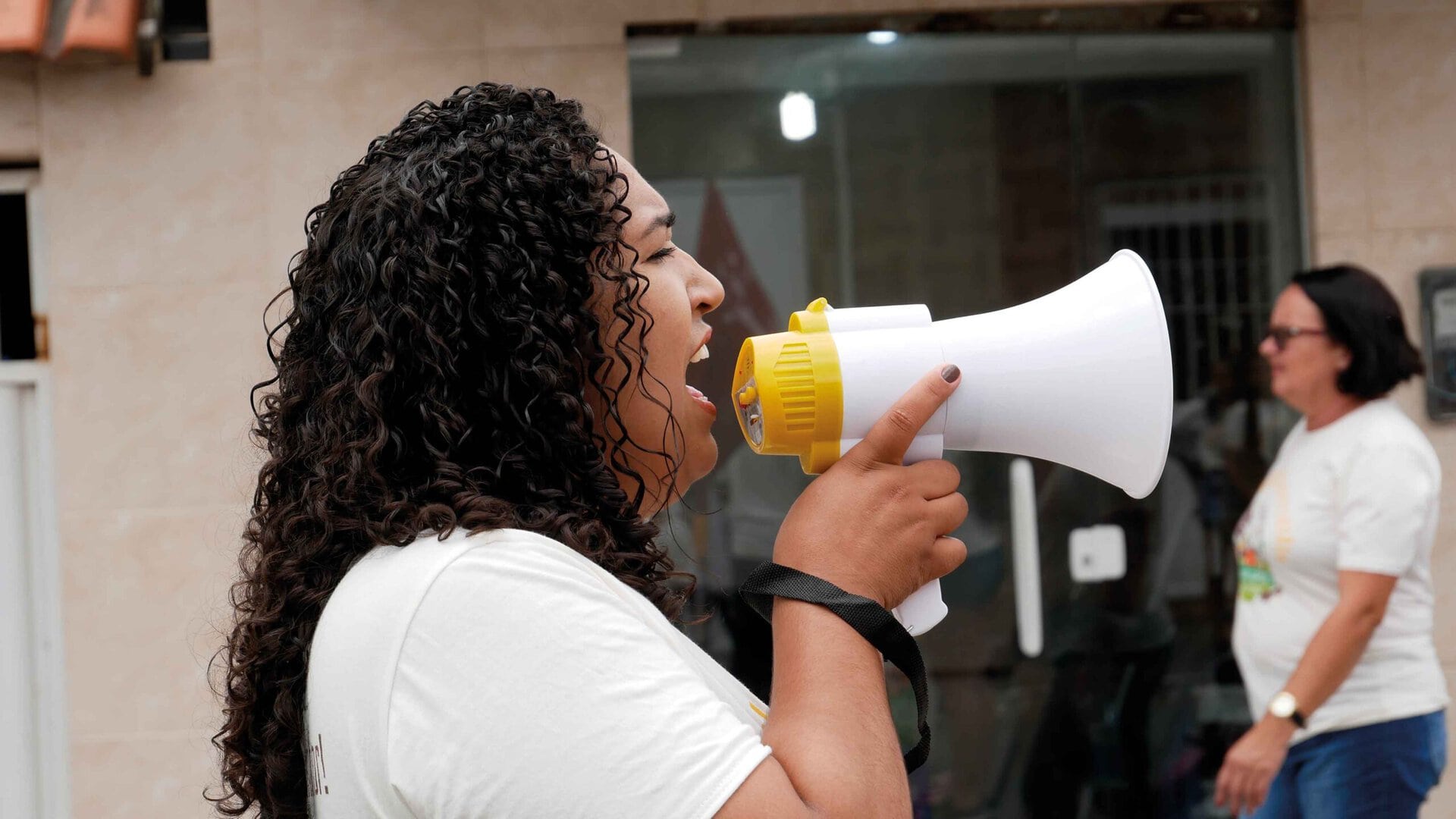
Unfortunately, there are many rumors and false information about the coronavirus circulating in Africa and Latin America. Garlic or ginger in the nose are said to help prevent infection. Far more dangerous are bleach, the drug chloroquine or urine from animals, which are not effective but can be life-threatening. In the absence of other information, people believe this fake news and put themselves and others at risk.
It needs our help
The coronavirus is particularly dangerous for slums. That’s why we absolutely must help. terre des hommes schweiz is helping with additional water supplies, distributing soap and disseminating the right information. Thank you for your donation!