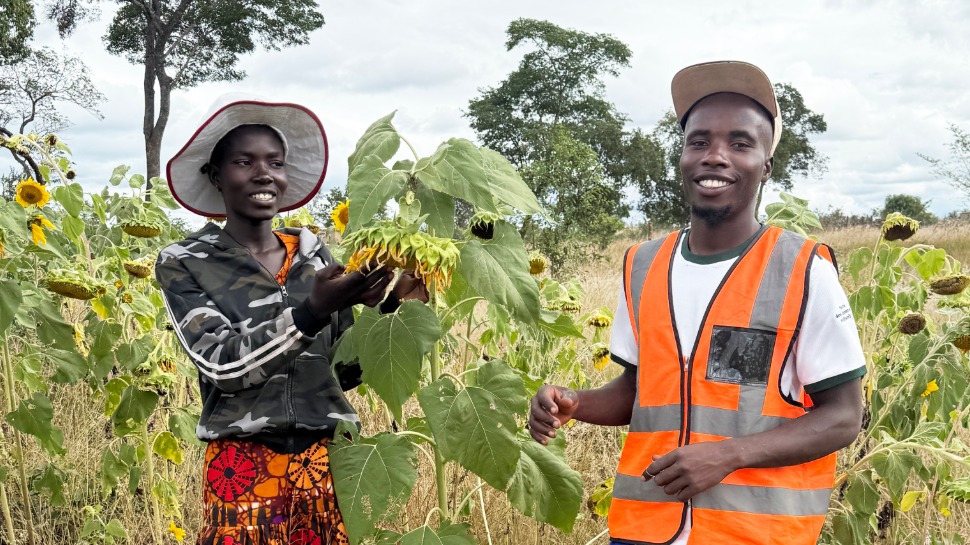
Panashe Sibanda and Janet Mutandwa both had to drop out of school. Today, they run their own small farm together. Training in climate-resilient agriculture has opened up new opportunities for them. Their story shows that education can open doors.
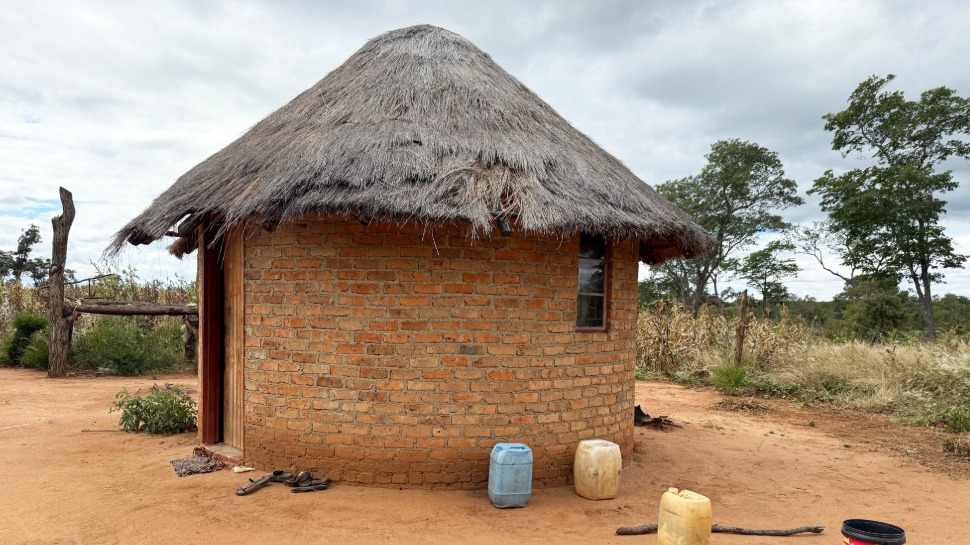
Panashe Sibanda (22) and Janet Mutandwa (20) live in a small village in Zimbabwe’s Midlands. The nearest large town, Kwekwe, is a two-hour drive away on bumpy dirt roads. A minibus passes through twice a day. Here, the young couple grows vegetables and raises livestock. Whatever they don’t eat themselves, they sell at the market in Kwekwe.
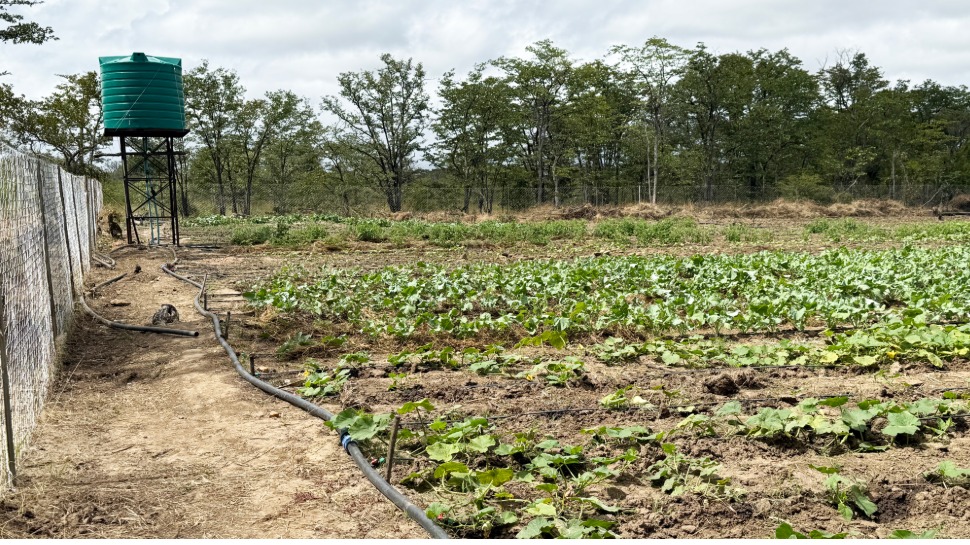
What they lack is running water. Panashe and Janet still carry water in heavy buckets from their neighbors’ well to their yard. As a thank-you, Panashe helped them build a drip irrigation system. This shows just how much has changed for him: He used to be the one who needed help. Today, he can pass on his knowledge and support others.
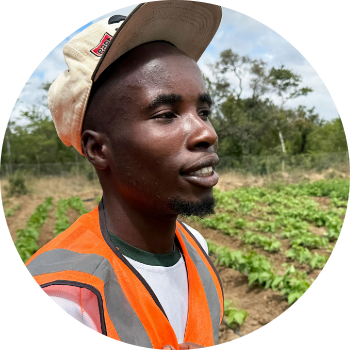
“I used to struggle just to survive. Being able to help others today means a lot to me.”
Panashe Sibanda, 22, farmer in Zimbabwe
For the first time, they have a steady income, enough to eat, and can even save a little. Just a few years ago , their future looked very different. Both had to drop out of school because their families could no longer afford the tuition. Panashe earned a few dollars working in illegal gold mines and got by begging. Neither of them had any idea what the future might hold.
Panashe and Janet met during a training course on climate-resilient agriculture offered by our partner organization. There, they learned about organic farming and irrigation, livestock raising and barn construction, farm management, and finance. To get started, they received 25 chickens and coaching on how to set up their own farm. Family planning and HIV/AIDS were also part of the training—topics that are rarely discussed in Zimbabwe.
“I came back from the training course on climate-resilient agriculture with a lot of knowledge. Now I can harvest my own vegetables from the garden, and when the chickens are big enough, we’ll have meat.”
Janet Mutandwa, 20, farmer in Zimbabwe
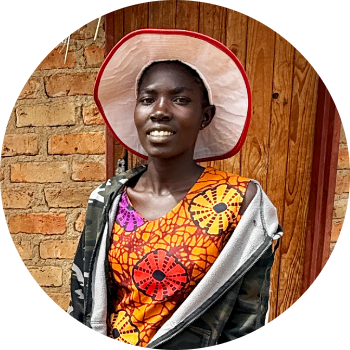
In the meantime, things have progressed quite a bit on Janet and Panashe’s farm. In coops they built themselves, they now keep 100 chickens, 50 chicks, and, most recently, rabbits. In their irrigated community garden, they also grow climate-resilient vegetables such as cabbage, squash, tomatoes, and romaine lettuce. By selling eggs, chicks, chicken meat, and vegetables, they earn between 70 and 100 U.S. dollars a month.
Panashe and Janet still have big plans. They’re saving up for their own well with drip irrigation. That way , they could use water without relying on their neighbors and also grow vegetables on their own farm. They don’t want to start a family until they’ve established a more stable livelihood. For the young couple, having their own farm is just the beginning.
Education Opens Doors
With your donation, you’ll help young people in Zimbabwe and around the world gain knowledge and practical skills, earn their own income, and take control of their own futures. For example, 100 francs can fund a one-month training course in climate-resilient agriculture.