At the end of October, 50 professionals from five countries in two continents and three time zones met at the SRHR platform of terre des hommes schweiz. The topic was sexual health in work with young people in southern Africa. Due to the pandemic, the conference took place in the digital space. Hafid Derbal, Project Coordinator for Zimbabwe and South Africa and Health Specialist at terre des hommes schweiz, helped to prepare it.
SRHR is the abbreviation for Sexual and Reproductive Health and Rights. What is the purpose of the SRHR platform at terre des hommes schweiz?
Hafid Derbal: Every four years, we meet with local partners from southern Africa who work with young people on teenage pregnancies and HIV/AIDS. We look back, share our experiences and define our joint plans for the next period – on an equal footing. We also invite organizations from our network and external experts.
What does planning “at eye level” mean?
The actual work with the young people is not done by us, but by our local partners in Mozambique, Tanzania, Zimbabwe and South Africa. It is therefore important and right that their expertise and assessments are incorporated into our joint approach. The SRHR platform is a space for joint reflection. Where did things go well, where do we need to make changes and what should be tackled from scratch?
Can you give a few examples of what you discussed during the conference?
For example, the topic of human and health rights or institutional strengthening. This means that in recent years, our partners have increasingly expressed the wish for us to support them in the area of project evaluation for impact measurement. This time, we brought in an expert from South Africa for this purpose.
Or we exchanged views on the question: Are there any new findings in relation to menstrual hygiene? How do we involve young men when it comes to violence against women and its prevention? Which media and communication channels are particularly good for reaching young people?
One question that keeps coming back to us is: How can we address the topic of sexual health with young people? Although they are our main target group, we cannot reach them in isolation from their social environment. Their families, parents, teachers, health professionals or traditional leaders and political decision-makers must first understand, approve of and, above all, support our work with young people. Nothing works without their trust and cooperation, and to achieve this requires a great deal of patience, sensitivity and good planning of the collaboration.
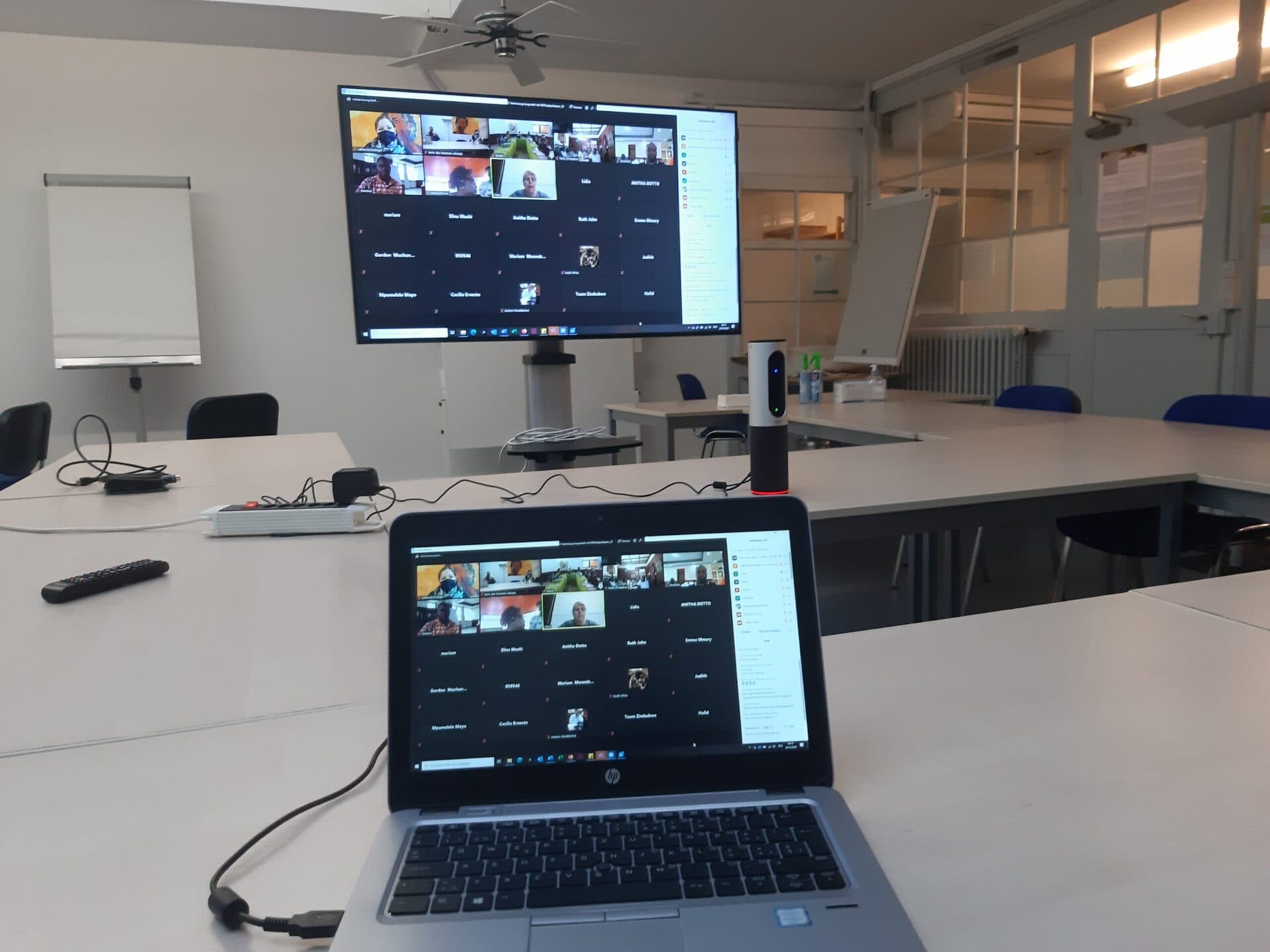
Due to the coronavirus pandemic, the SRHR platform took place online.
It was a mixture of digital and physical conference. The digital part was the exchange across countries and continents. For the practical group exercises on site, the participants came together in a room with the necessary technical infrastructure and a functioning internet connection.
We were faced with this situation: Either we skip the SRHR platform or we take it online – for the first time and at very short notice. terre des hommes schweiz is a learning organization and so we face such challenges. Together, we considered what could be implemented digitally and what couldn’t? We asked the Medicus Mundi Switzerland healthcare network, who have a lot of experience with digital communication, about their experiences. By joining forces, we were able to set up a digital platform that worked well. It was intensive and enriching!
Digital communication is exhausting. How did you structure the conference program to prevent fatigue?
Each topic and input was then first discussed in the physical small groups. Afterwards, we all met again in the virtual video conference room for a joint follow-up and feedback session. This went very well and I was very impressed: everyone was fully engaged.
The SRHR platform was a great pioneering achievement by our team. The collaboration with our colleagues in the project countries worked extremely well, as we speak the same language and already know each other well.
So will online communication replace the expensive and environmentally damaging project trips by terre des hommes schweiz to southern Africa and Latin American countries in future?
The digital exchange platforms that we already had before the health crisis, albeit not to the same extent, will clearly remain part of our work. However, they cannot replace project trips.
At terre des hommes schweiz, we are fortunate to have local staff on site. They can visit our projects with young people again, taking into account the Covid-19 protective measures. However, we also need direct personal contact with our local partners and with the people who benefit from the projects, especially the young people.
How can the “success” of a project trip be described?
For example, you can sense the dynamics of whether things are going well at the partner organization or not. You get to know the situation in the country, for example by talking to the cab driver, find out how the young people in the projects are doing, meet with other aid organizations and so on. To a certain extent, the project trip is part of the project monitoring. Conversely, for our partners in the Global South, it is an important moment for direct exchange with Switzerland.
Project trips strengthen mutual trust and understanding. If you visit the projects in person from time to time, you also travel together differently in the digital exchange and can achieve more together.
Interview: Anna Wegelin
More information on our work focus on sexual and reproductive health here
External link: Hafid Derbal and Tayson Mudarikiri on the increase in sexual violence in South Africa and the additional workload in the face of the corona pandemic here