On April 24, 2026, Switzerland issued a joint statement with Morocco. While the statement reaffirms the UN process for the self-determination of the Saharawis, it now, for the first time, views Morocco’s autonomy plan as a possible solution. terre des hommes schweiz has expressed concern over this statement.
Following the official visit to Switzerland by Moroccan Foreign Minister Nasser Bourita in late April 2026, the Federal Department of Foreign Affairs issued a joint statement. In it, the Federal Council describes Morocco’s 2007 autonomy plan for the Saharawis in the occupied Western Sahara as “the most serious, credible, and pragmatic basis for resolving this conflict.”
“This position is concerning, as Switzerland has thus far adhered to international legal principles and supported the Saharawis’ right to self-determination,” says Sylvia Valentin, Development Policy Campaigns, at terre des hommes schweiz.
The Right to Self-Determination as a Core Principle of Decolonization
For the past 35 years, the UN Security Council has adopted annual resolutions calling for peace negotiations between Western Sahara and Morocco. Since 1991, it has extended the mandate of the UN peacekeeping mission MINURSO every year. In 2025, the Council adopted a new draft resolution proposed by the United States (Resolution 2797), which deviates significantly from earlier principles: resolving the conflict by allowing the Sahrawi people to determine their own future in a referendum.

“Western Sahara belongs neither to Morocco nor to Mauritania nor to any other party. It belongs to the Sahrawi people.”
Fatma Moulay, Sahrawi and activist (SONREP)
The new resolution proposes Morocco’s 2007 “autonomy plan” as the—and only—basis for negotiations. The plan stipulates that Morocco intends to grant Western Sahara autonomous status within the Kingdom, without a prior referendum. The Polisario Front, the official and internationally recognized representative of the Sahrawi people, would be willing to accept autonomy as an option alongside independence in a referendum. However, it must not be the only option. Such an approach contradicts the international right to self-determination of former colonies.
Morocco has been lobbying for its autonomy plan for years. And it has been successful, as more and more countries are supporting this supposedly good solution. However, this ignores the will of the other party to the conflict and the right of the Sahrawi people to determine their own future.
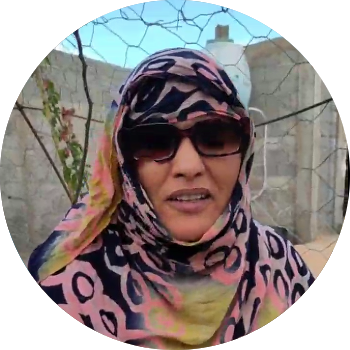
“The autonomy plan was developed without us; we weren’t consulted. It does not reflect the Sahrawi people’s vision for their future.”
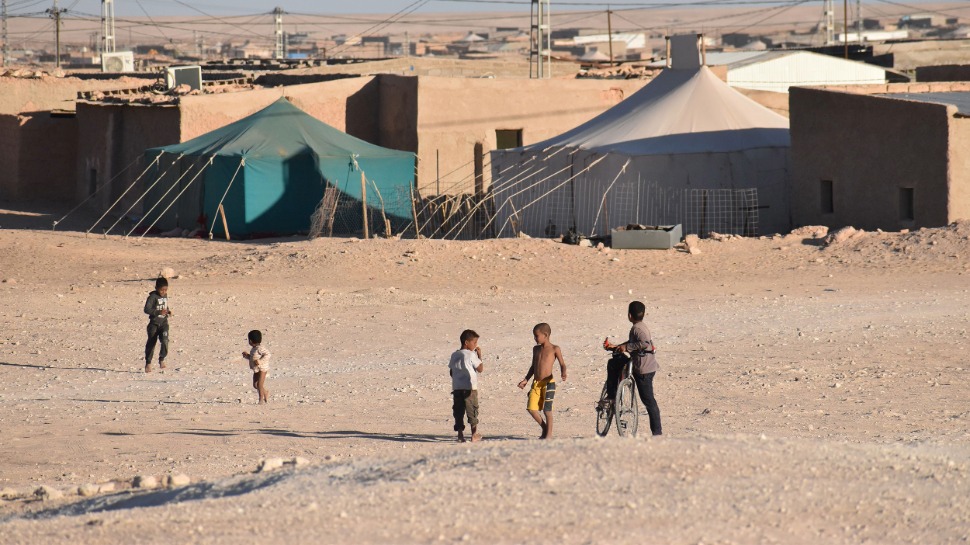
Najila Mohammad-Lamin, a Sahrawi, lives in the Dakhla refugee camp
Switzerland, as a guardian of international law, should return to its traditional position and clearly support the Saharawis’ right to a self-determination referendum. Only in this way can it maintain its credibility and contribute to a just peace.